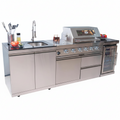
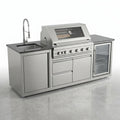
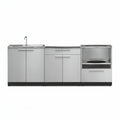
Temperature consistency to support organized, food-safe storage
Storage formats for prep lines, back-of-house, service, and display
Consider energy use, ventilation, access, and available space before purchase
Durable, cleanable equipment selected for demanding food-service routines
Refrigeration Chosen for the Way You Operate
Commercial refrigeration is part of the workflow, not simply a place to store ingredients. The right equipment helps teams organize stock, protect product quality, maintain clear prep paths, and work efficiently through service. Compare capacity, access, temperature performance, construction, cleaning needs, ventilation clearance, electrical requirements, and the space available in your kitchen before selecting a unit.
Commercial Refrigeration Questions
Practical guidance for selecting, placing, and operating equipment in professional kitchens
Start with the workflow and the space. Reach-in units suit centralized back-of-house storage; undercounter and worktop models keep ingredients close to prep areas; prep tables combine chilled storage with an active assembly surface; display refrigerators and merchandisers support front-of-house presentation; and walk-in systems serve operations with substantial storage needs. Select a refrigerator, freezer, or combination based on the products you hold and how frequently staff need access.
Choose equipment suited to the intended application and loading pattern, then organize products so air can circulate. Avoid blocking vents, account for frequent door openings during service, and follow your operation’s food-safety procedures for receiving, storage, monitoring, and cleaning. Review the product documentation for operating ranges and installation requirements rather than assuming every unit is suitable for every use.
Measure the footprint, door or drawer swing, delivery route, and service access before ordering. Many units need clearance around the condenser or ventilation area so heat can be released properly. Confirm clearances, electrical requirements, ambient conditions, and ventilation guidance in the specific product documentation, while leaving enough room to clean around and behind the equipment.
Useful capacity, accessible shelving, durable commercial construction, easy-to-clean surfaces, sensible door placement, and straightforward maintenance all matter. Consider energy consumption over the expected duty cycle, how the unit fits your prep and service flow, and whether a dedicated ice machine, prep table, merchandiser, or walk-in system would solve the need more effectively than one general-purpose cabinet.
About Commercial Refrigeration Equipment
Commercial refrigeration supports the pace, organization, and food-safety demands of professional food-service environments. Restaurants and cafés may need reach-in refrigerators, undercounter units, worktop refrigerators, or prep tables positioned close to service. Bakeries and catering operations often benefit from flexible refrigerated storage for ingredients and prepared foods. Hotels, hospitals, schools, and larger facilities may require a combination of reach-ins, freezers, display refrigerators, merchandisers, walk-in systems, and commercial ice machines.
The best choice depends on more than interior volume. Evaluate temperature consistency, storage capacity, product access, energy use, durable construction, cleanability, heat in the working environment, available floor and overhead space, ventilation clearance, electrical requirements, and the route for delivery and installation. Match the unit to the task: keep frequently used ingredients near prep, use larger systems for organized bulk storage, and select display equipment where presentation or customer access is part of the operation.
Before purchase, measure the space and access path, confirm documented operating requirements, and plan for cleaning, air circulation, monitoring, and maintenance. A considered refrigeration layout can reduce unnecessary movement, protect product quality, and keep service running smoothly without over-specifying equipment for the job.